Modernization Required
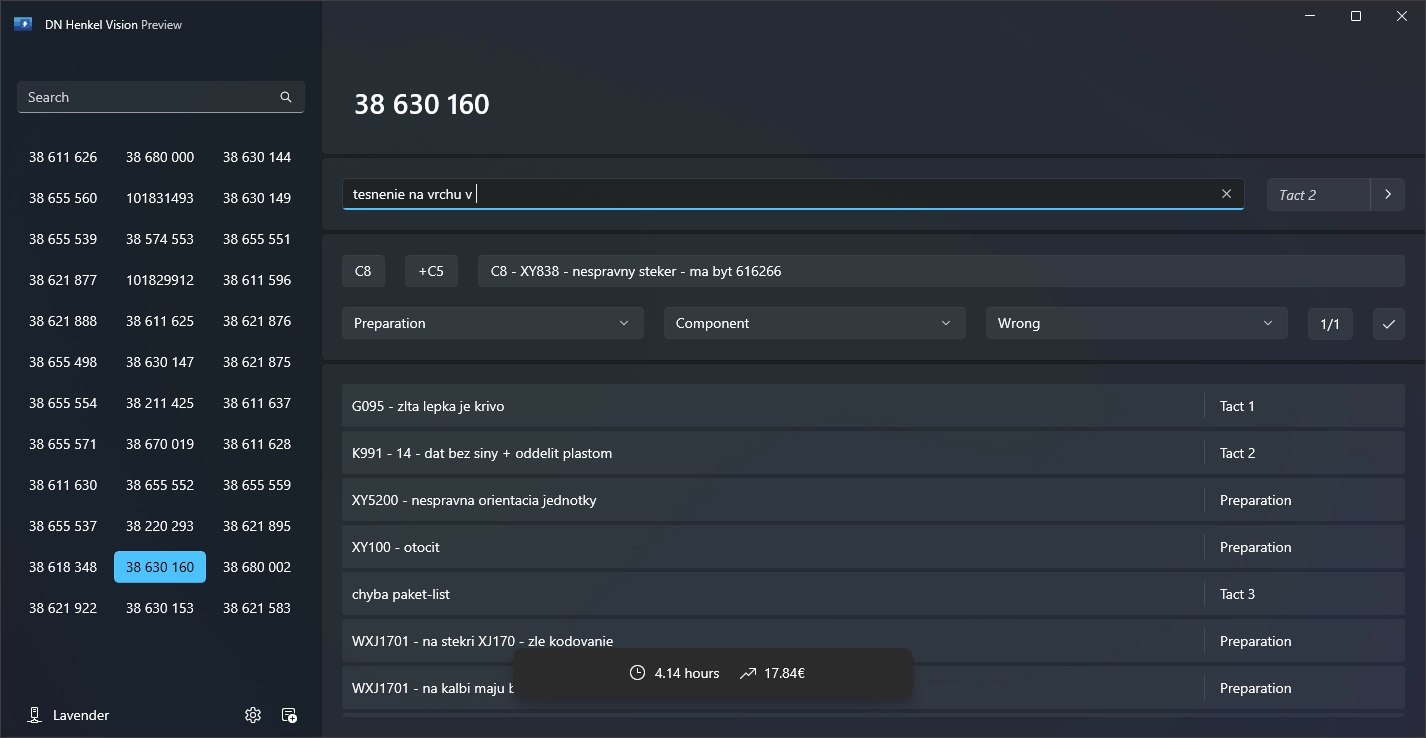
During the final development phase of the original Henkel software, it became increasingly clear that a text-based interface and the limited capabilities of the Terminal.Gui library were insufficient to achieve the vision of a modern fault management tool. In search of a modern interface with rich features, I discovered the Windows App SDK and its key component WinUI, which offered virtually unlimited possibilities for creating modern applications. It's probably not surprising that I ultimately chose to use it.
Using AI Before It Was Trendy
To ensure that development time resulted in time savings, merely creating a modern interface as a database frontend was insufficient. To accelerate the fault recording process, I decided to partially replace user work with artificial intelligence. The ML.NET library allowed rapid model training through an elegant interface and easy integration into the application. Successful deployment of the fault classification model achieved over 80% accuracy in automated classification, significantly reducing the time needed to process new records.
Increased Productivity
Perhaps the best proof of the application's usefulness is the fact that the processing time I previously spent on fault management in Microsoft Access was cut in half, enabling further application development. Thanks to partial financial support from Kraussmaffei Technologies, I was able to complete development and deploy the application to production.
Retirement and Legacy
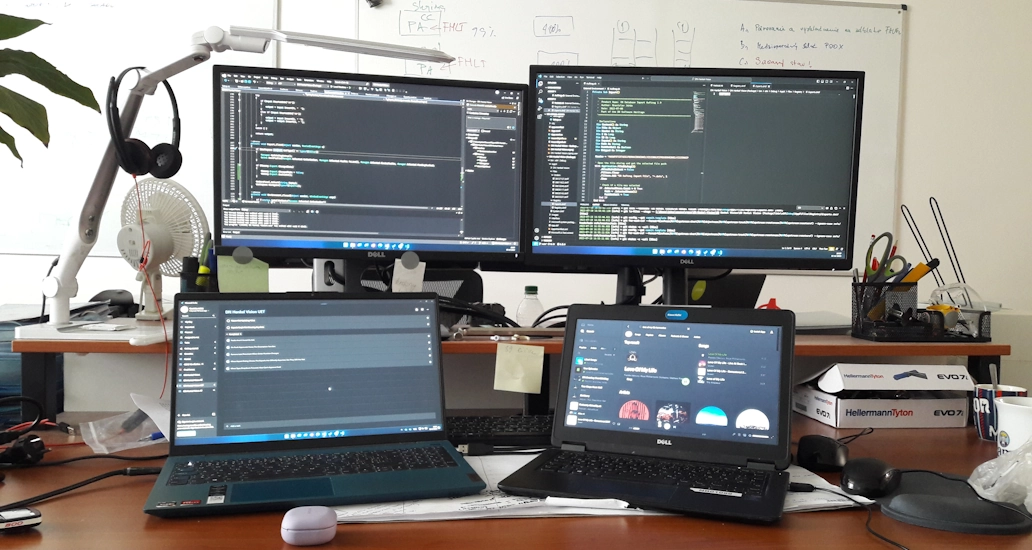
Due to my transition to more interesting and urgent projects for Kraussmaffei Technologies, I decided to discontinue active development of DN Henkel Vision. Nevertheless, the application remains fully functional and continues to serve its purpose within the company, helping streamline hardware fault management processes. I believe this project will serve as inspiration for future projects and deliver value in other contexts as well.